
By Dan Shine
Voice Columnist
Jim Spina’s Savin Rock
Part Two
See part 1
“The Rock” Creativity in Action
New legislation outlawing the spinning wheels in the stands on the waterside of West Haven was a strong motivator driving ordinary people who fought for freedom in WW2 to find ways to recover lost income.
This homemade wooden “Lady Luck” bumper car was the start of creating
new games of skill that recovered the money needed by most middle class folks. Yes, it is mounted on a single old roller skate.
Here’s how it worked: Imagine the numbers on a money wheel being unfolded to create a flat track with rubber band ends so where “Lady Luck” could bounce “to and frow” until she stopped on a winning number. Here’s a miniature model of such a 22 numbered track.
However, after about three years, legislators realized that the track was really a flat wheel and outlawed it! Hmm, what’s next?
Well, the legislators just could not shut down the brainpower of the “Rocco’s ‘n “Big Jim’s”. Look at this early “ game of skill” that arrived at the “Rock”.
“Ten is the winning number! One dollar to the winner. Who’s next?”
The wood ball is the size of a softball. One of the artists in the community carved 33 flat services on the ball, one for each number. All numbers were completely in balance & the ball cost $50 to make. The player would select a number from the 33 numbered layout and pay a quarter to play. He or she would then skillfully toss the ball into a 30×30 inch level box surrounded inside by spring bands that caused it to rock ‘n roll. Hopefully, it would stop on their chosen number. Eventually, the ball was added to a gambling game list and removed from action. It was more than just a creative idea … it was also a true work of art.
Are You Sure You Wanted to work at Savin Rock in 1950?
Classic research concerning job satisfaction tells us that interesting work, recognition for a job well done and being in on things are the keys to high job satisfaction.
Seasonal work at the “Rock” had all those things. A concessionaire met new people every day and night and was in charge of the “joint”. Decisions were made locally & not from a big boss upstairs.
“Breaking the ice” with your first “hit” of the day by taking money in was a proud move. When asked, “Break the ice? …your answer ,Yep!”, always brought a smile to your face.
The night streets were exciting with Merry Go Round music, the Laughing Lady making real people laugh, constant movement of great 1950 cars with blaring radios and happy people driving them. Even the cops were cool. When you turned in the take at closing the phrase, “Nice Job” felt good.
Don’t get me wrong. Like any other good place to work there were problems. Take a Sunday opening, for example. Guys arrived at about 11 a.m. after handling another 11 hours at work on previous day and Saturday night.
We worked for seven nights in a row and all weekend days and nights during the short season. The guys & cash were good and, except for sore feet about 8:30 on Sunday nights, no real complaints. I worked for ten seasons starting when I was eleven as a “go-for kid” and ending when I was a full time Coke game concessionaire at age 21.
Ring One – Take One!
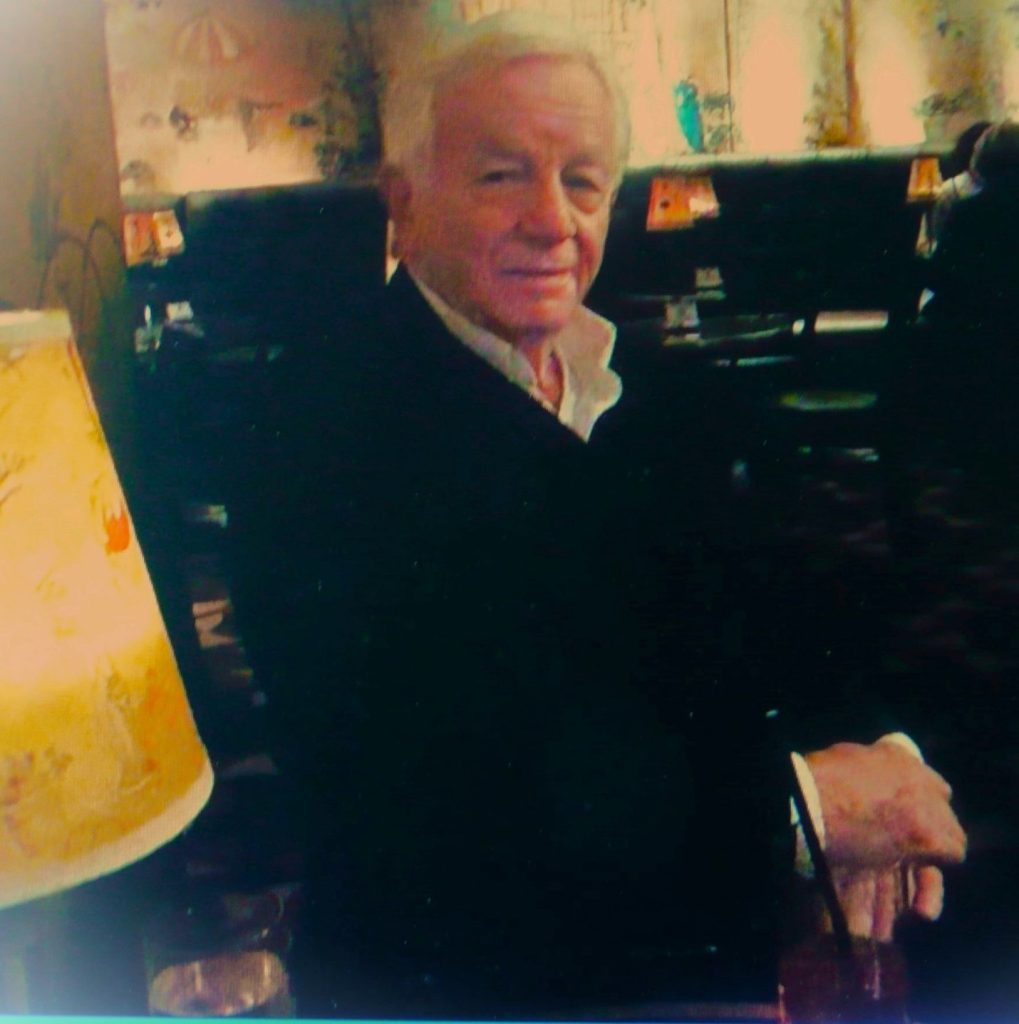
Jim Spina
Meet the Author
Jim graduated from the New Haven State Teachers College and began his career during the 1960s by teaching elementary students in the greater New Haven Area.
Soon after, he joined the faculty of Bailey Middle School where he taught science. As his career advanced, he became a guidance counselor at WHHS. and later served as principal at Thompson and First Avenue Schools. He retired after 21 years of teaching.
Spina earned his Ph.D. from the University of Connecticut and, after retirement, taught full time for 16 years at College Park’s University of Maryland in the highly rated R.H. Smith School of Business.
His courses for undergrad and graduate students included business strategy, managing change, H.R. laws and practices, organizational management, and innovative problem-solving techniques.
In addition, he taught executive MBA candidates at other Maryland campuses in Baltimore, Washington D.C., West Virgina, Zurich, and Beijing. He consistently received University recognition for outstanding contributions to learning and received the prestigious Krowe Teaching Award.
During that period, he also founded a management consultancy. Typical clients include Fortune 500 media, executive teams in luxury hotels, along with major intelligence government agencies and private manufacturing leadership teams.
Jim keeps busy as a management consultant and business book author. He launched his writing career in 1964, when he entered a Writer’s Digest short story contest and finished in the top 4% against the competition of 4,000 other entries. His five current publications are listed with Amazon and his publisher Emerald Publishing Ltd. based in the U.K. Business book number six is now in press. He is a past member of the Authors Guild as a Traditional Author.