By Dan Shine
Voice Columnist
The Gypsy Camp
Part II
See part 1
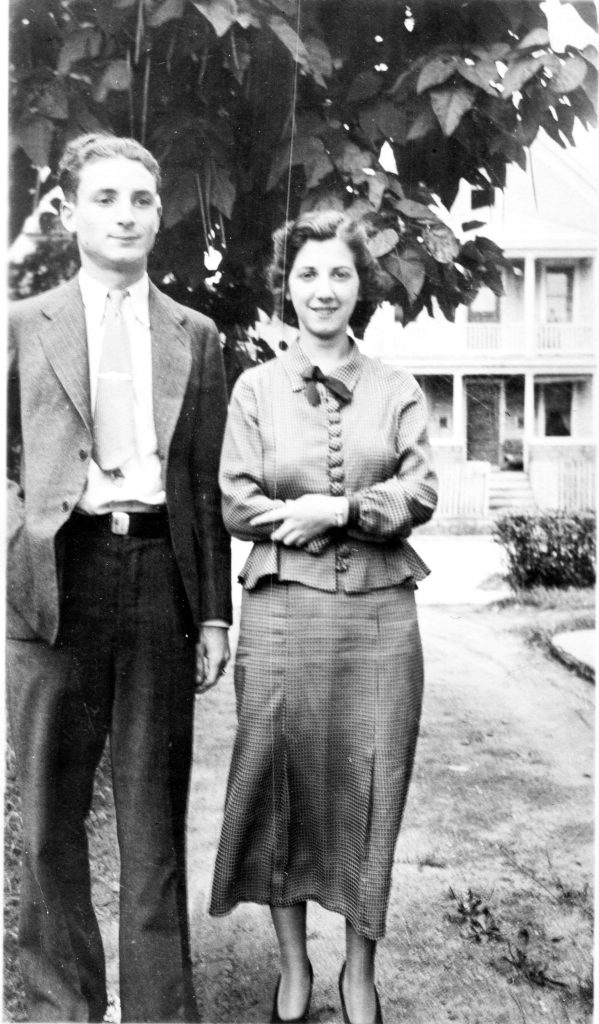
This week, we are fortunate to have another story as set down by Loretta Bon Tempo Forte, and submitted by her daughter Valerie Forte. Loretta grew up in Allingtown, just downhill from the intersection of Forest Road and Derby Avenue; this story is from about 1920:
By that time, it was quite dark and Uncle Harry had gotten into a conversation with one of the older gypsy men. I kept nudging that I wanted to go home, I was only about 7 years old (so around 1920)
The old man wanted to know what I wanted. Uncle Harry told him that I wanted to go home because “she is scared’. The old mustached gypsy- his white teeth gleaming – bent down low to me and told me not to be afraid. They were people just like us, with families and love for each other. Then I was afraid that Uncle Harry would follow his new friend into a tent, or eat some food, two things I was told to never do! But instead, finally, he said good night and we were the last of the audience to leave.
The next day, a boy in my class, Carroll Brown, asked the teacher if he could ask me a question. All of the work in the classroom stopped at this unusual request, and what Carroll asked me was if I gave the pink carnation to the gypsy girl! He had been among the crowd but he and his parents had left before the girl made her decision! For a while the gypsy encounter was the talk of the class.
There was a brook that flowed down through Forest Hills, along Derby Ave, and the gypsies dammed it to create a pool and that is where they bathed. They didn’t wear bathing suits, just underwear, and one warm night we got permission to go cool off in the gypsies pool. My sister Lou and brother Peter, the Squires children and I bobbed in the water while our mother and Mrs Squires watched. Our folks wanted us to cool off but I was still sure I’d drown or be carried off when our parents took their eyes off us!
At least one of the reasons that men went up to the camp, besides the music and dancing, was to gamble, and shoot craps, which of course, was not supposed to be allowed. But there always seemed to be a game going on in some corner of the camp when we visited, that continued well after we left and the music subsided.
Women went there to get their fortunes told, for a dime or in more detail for a quarter. When some of us kids tried to sneak in and have our fortunes told, an old black eyed woman with thick black eye brows chased us away, shouting, “Never, never”!
“We will never, never look at the small palm of a child to tell a fortune!”
Older people, yes, eagerly, but not a child, no children would have their fortunes predicted!
Another Sunday when Uncle Harry took us to visit I could hear low moaning coming from one of the tents. Scared, but nosy, I let go of Uncle Harry’s hand and looked into a partially open front of a tent. Inside, there was an old gray haired woman lying on a rug on the ground. She had many blankets and layers of clothing on, and she was the one who was moaning. She looked kindly towards me but I backed away…The man talking to my uncle told him that she was his grandmother and that she was very old and ill.
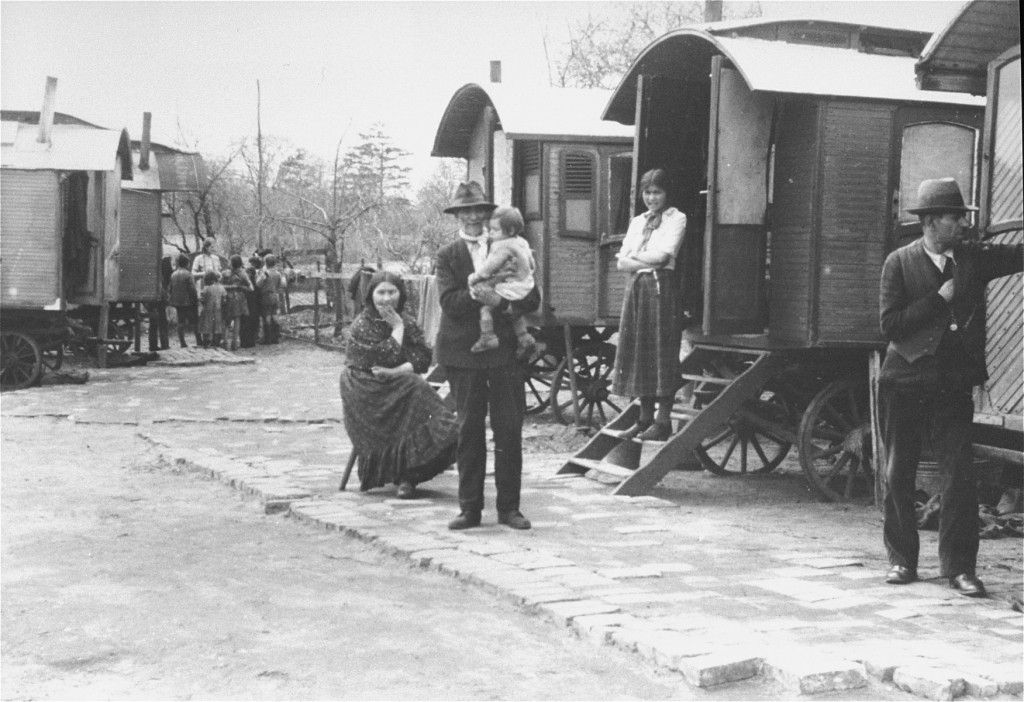
Dogs were plentiful around the camp. Some were for protection, I think. They were shaggy and unkempt, and always looked hungry, but they never seemed to bother anyone. At a distance from the tents, the wagons were parked, some made of colorfully painted wood, but many were just canvas covered, and the gypsies lived in them when they travelled.
While we prepared to go back to school, we stopped thinking so much about the gypsies, while we gathered our school supplies, were getting clothes, gathering our pads and pencils. And then, one day the word would spread, the gypsies were leaving.
We would watch from afar, as wagon after wagon pulled away from the hill.
We heard sounds of laughter, singing, babies and children, not sad sounds. The gypsies were happily on their way to a warmer climate. The hills seemed bare, gone were the clothes lines of colorful clothes, tents, the smell of the burning fires.
Summer was really over. There was an emptiness that the season and school days could not replace. I wondered if the gypsies regretted leaving us, their kids playing tag, horse shoes, racing with the kids from Allingtown. We went off to school and they went off to live somewhere else…
The lesson of those people and those summer memories, those days and nights filled with the music of tamborines and guitars, accordions, the music of those wandering, wonderful people was that they seemed to never see anything but the joy of another day.
Loretta BonTempo Forte